
Blood Transfusion Brochure
Blood Transfusion Brochure - A blood transfusion is one way of replacing the blood we have lost. It may be used to facilitate informed consent discussions. The transfusion may be made up. Person may need a blood transfusion due to blood loss from a surgery or injury, or certain medical conditions or diseases. This brochure will focus on frequently asked questions about blood products, transfusions, and the risks and benefits of. If you need blood, you have several options. The transfusion may be made up. These options include receiving blood from the community, using your own blood (autologous), or blood from donors that you have selected. This manual offers guidelines, information and understanding about blood transfusion processes and blood components and products. Blood transfusion a blood transfusion is when you get blood through a tube (iv) placed into a vein. The transfusion may be made up. You might need one if your body cannot make enough blood, if your blood cells are not. Transfusions of blood products are provided to increase the amount of blood components in your body when they are below a reasonable level for your health. This fact sheet outlines what you need to know if you do need one, and. A blood transfusion adds blood components to your body to fix low. If you need blood, you have several options. It may be used to facilitate informed consent discussions. Blood from a donor can be divided into red blood cells, platelets, plasma and substances in plasma such as albumin and clotting factors. Person may need a blood transfusion due to blood loss from a surgery or injury, or certain medical conditions or diseases. A blood transfusion is one way of replacing the blood we have lost. Transfusions of blood products are provided to increase the amount of blood components in your body when they are below a reasonable level for your health. Blood transfusion a blood transfusion is when you get blood through a tube (iv) placed into a vein. Person may need a blood transfusion due to blood loss from a surgery or injury, or. You might need one if your body cannot make enough blood, if your blood cells are not. If we lose too much blood then our bodies can’t replace it and this can be dangerous. Your doctor may order a blood transfusion as part of your therapy. Transfusions of blood products are provided to increase the amount of blood components in. Transfusions of blood products are given to increase the amount of blood components in your body when they may be too low for your wellbeing. Provide the patient with the california department of health services (cdhs) brochure titled a patient’s guide to blood transfusion which informs the patient of the risks and benefits of. The transfusion may be made up.. Blood transfusion a blood transfusion is when you get blood through a tube (iv) placed into a vein. Most patients requiring transfusion receive blood products donated by volunteer community donors. Transfusions of blood products are provided to increase the amount of blood components in your body when they are below a reasonable level for your health. These options include receiving. It may be used to facilitate informed consent discussions. The transfusion may be made up. Using your own blood (autologous) can minimize the need for transfusion with donor blood. Users of this brochure should refer to the circular of information regarding the approved indications, contraindications and risks of transfusion, and for additional descriptions of blood. Provide the patient with the. It may be used to facilitate informed consent discussions. Provide the patient with the california department of health services (cdhs) brochure titled a patient’s guide to blood transfusion which informs the patient of the risks and benefits of. Where does the blood come from, and how is it chosen for me? If you need blood you have several options. Blood. Transfusions of blood products are provided to increase the amount of blood components in your body when they are below a reasonable level for your health. If we lose too much blood then our bodies can’t replace it and this can be dangerous. The transfusion may be made up. If you need blood, you have several options. These options include. If you need blood you have several options. You might need one if your body cannot make enough blood, if your blood cells are not. These donors are extensively screened about their health history and undergo numerous blood tests as mandated by state and federal regulations in order to ensure the. Using your own blood (autologous) can minimize the need. Person may need a blood transfusion due to blood loss from a surgery or injury, or certain medical conditions or diseases. Hospitals can download, customize and print. If you need blood, you have several options. The transfusion may be made up. These donors are extensively screened about their health history and undergo numerous blood tests as mandated by state and. If you need blood, you have several options. Your doctor may order a blood transfusion as part of your therapy. It may be used to facilitate informed consent discussions. This brochure will focus on frequently asked questions about blood products, transfusions, and the risks and benefits of. Transfusions of blood products are provided to increase the amount of blood components. The transfusion may be made up. Hospitals can download, customize and print. This fact sheet outlines what you need to know if you do need one, and. If you need blood, you have several options. Blood from a donor can be divided into red blood cells, platelets, plasma and substances in plasma such as albumin and clotting factors. Transfusions of blood products are given to increase the amount of blood components in your body when they may be too low for your wellbeing. Blood transfusion a blood transfusion is when you get blood through a tube (iv) placed into a vein. Where does the blood come from, and how is it chosen for me? Your healthcare provider recommends a blood transfusion when the benefits outweigh the risks for your specific health condition. The table below provides routine information as well as. Blood transfusions are life saving for some patients but transfusions do carry risks of other medical problems. The transfusion may be made up. These donors are extensively screened about their health history and undergo numerous blood tests as mandated by state and federal regulations in order to ensure the. Users of this brochure should refer to the circular of information regarding the approved indications, contraindications and risks of transfusion, and for additional descriptions of blood. Most patients requiring transfusion receive blood products donated by volunteer community donors. This manual offers guidelines, information and understanding about blood transfusion processes and blood components and products.MKT16 ENG Brochure Patient Information Web PDF Blood Transfusion
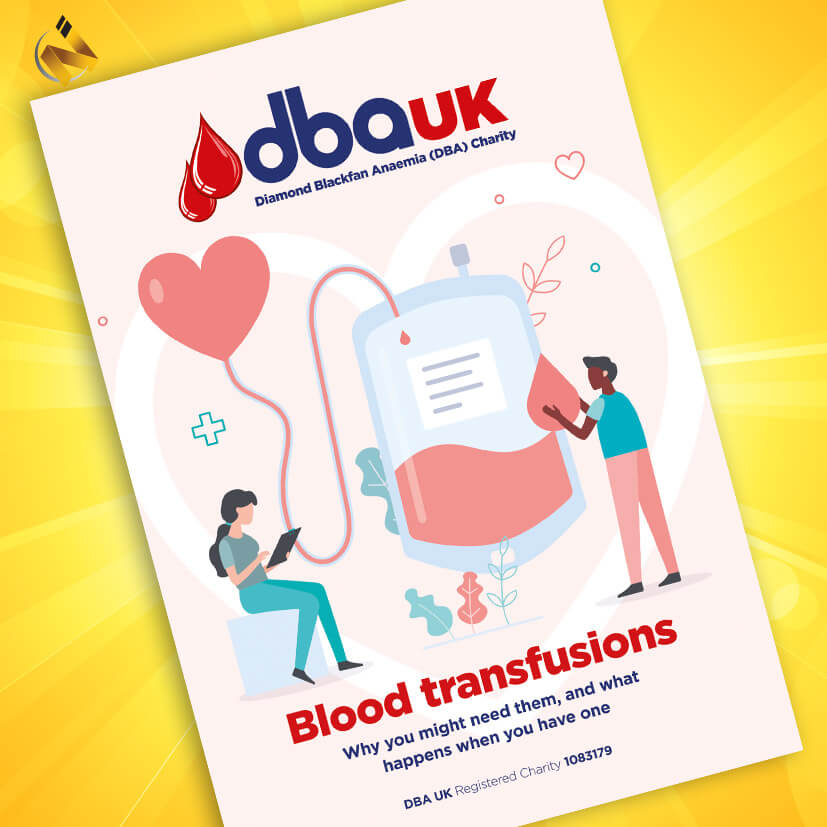
Bespoke Brochure Designs Gallery 0161 327 2131
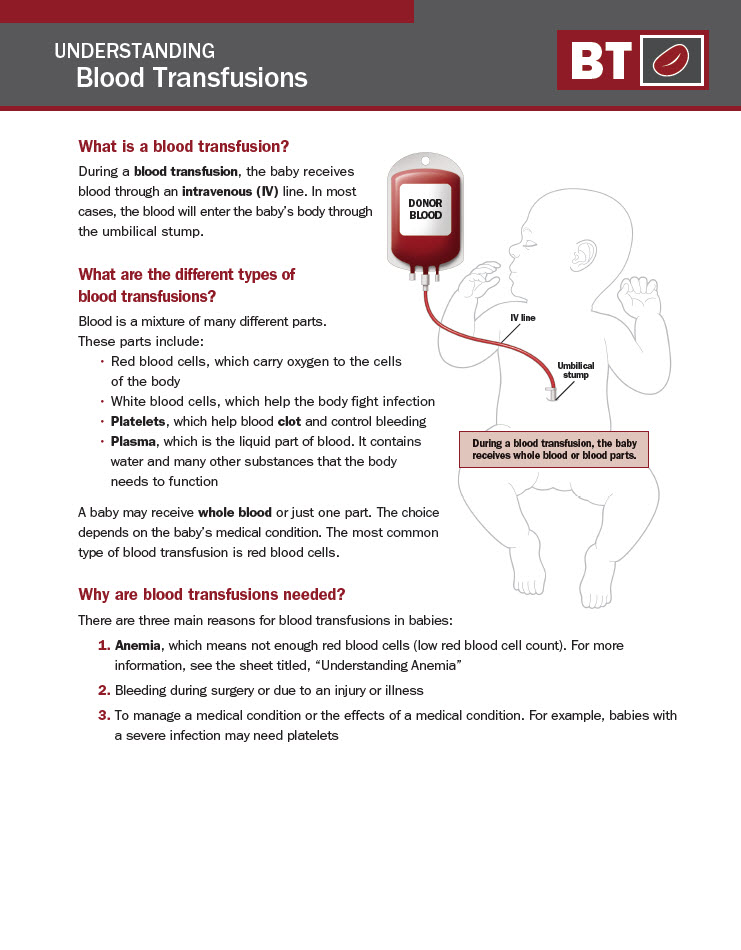
Understanding Blood Transfusions NICU Parent Education Resources
Blood donation medical brochure and poster template. Healthcare

Transfusion Brochure So you wanna get transfused today?! The Basics

LIFE BLOOD Brochure about blood donation
Adinolfib Brochure PDF Blood Donation Blood Transfusion
Heart with drop of blood medical banner for blood donation template
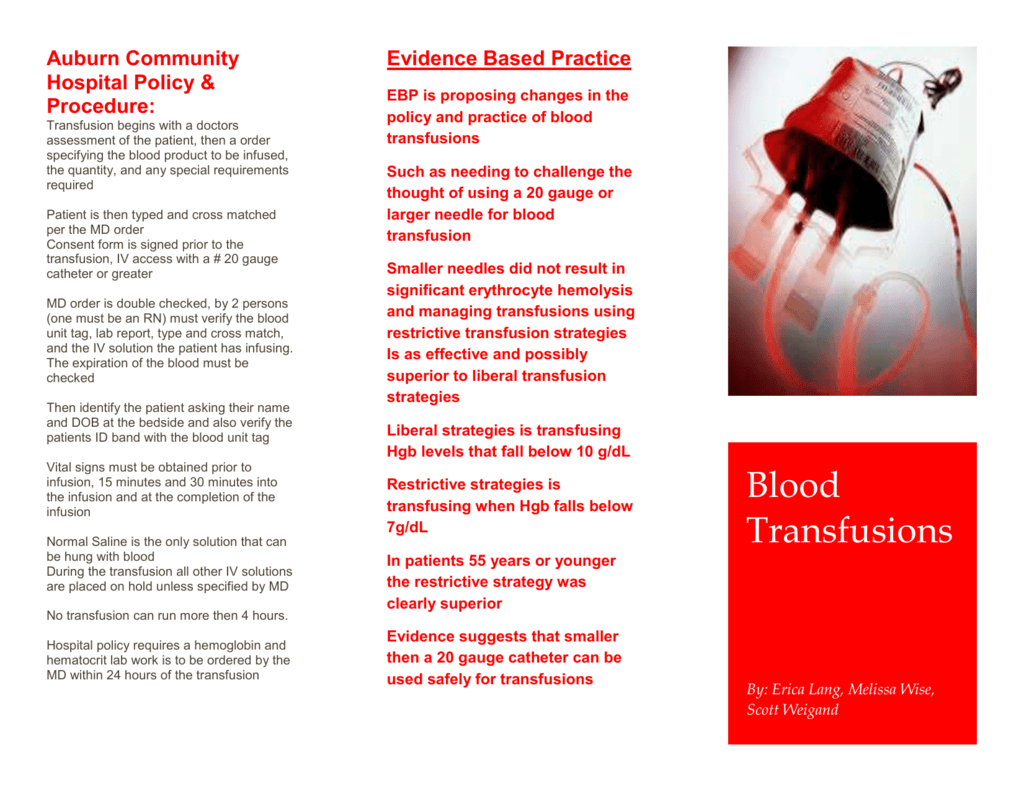
Blood Transfusion Pamphlet Melissa Wise`s Professional RN portfolio
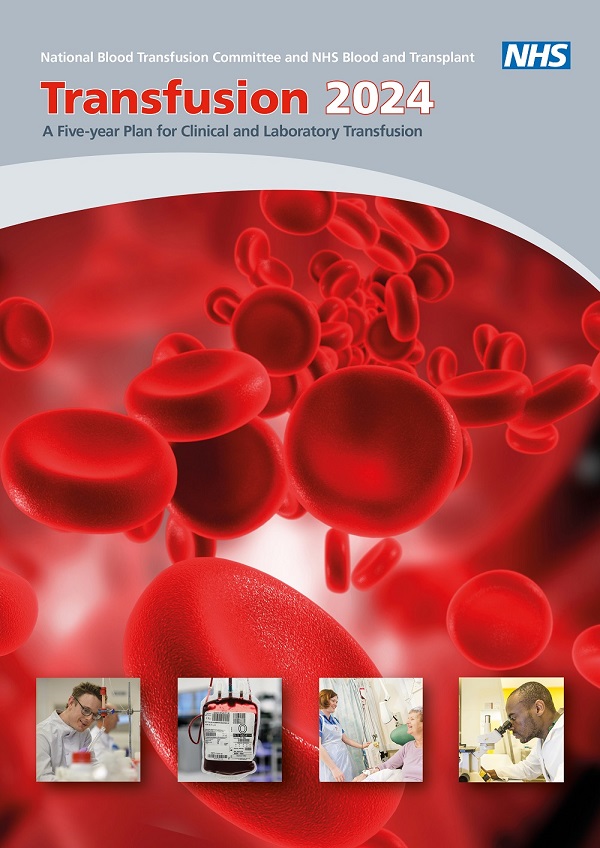
Patient Blood Management Hospitals and Science NHSBT
Transfusions Of Blood Products Are Provided To Increase The Amount Of Blood Components In Your Body When They Are Below A Reasonable Level For Your Health.
Using Your Own Blood (Autologous) Can Minimize The Need For Transfusion With Donor Blood.
This Brochure Will Focus On Frequently Asked Questions About Blood Products, Transfusions, And The Risks And Benefits Of.
Many Blood Products Are Available For Transfusion.
Related Post:

