
Explain The Importance Of Patient Information Brochures
Explain The Importance Of Patient Information Brochures - It is important to evaluate the impact of any risk minimization tool to understand the. There exists a need to develop updated and thorough yet concise patient. Present the information as clearly and positively as possible. Patient education brochures are beneficial to a wide range of individuals:1. Research shows that printed brochures for healthcare providers (hcps) can improve knowledge of rare and important adverse events, reduce medication errors, and help. In our increasingly digital world, some may think that printed medical brochures have outlived their usefulness. But research shows that even in today’s digital age, printed. Patient education brochures can be a powerful tool for healthcare providers to improve patient understanding, increase patient engagement, and save time during appointments. To provide information about the purpose, benefits, possible drawbacks and procedures of screening before the person decides whether to request, accept or refuse screening. Since the 1970s, various authors have investigated the use of patient information leaflets (pils) 1, 2, 3, 4 and have suggested that they are helpful for patients, particularly as they improve. Medical brochures may have diagnostic or therapeutic information that explains a disease, spotlight treatment advantages and drawbacks or provide tips for managing a chronic. There exists a need to develop updated and thorough yet concise patient. Present the information as clearly and positively as possible. Research shows that printed brochures for healthcare providers (hcps) can improve knowledge of rare and important adverse events, reduce medication errors, and help. Patient education brochures are beneficial to a wide range of individuals:1. He highlighted how empowering patients with knowledge improves medication adherence and helps them recognize symptoms and recurrence risks. To provide information about the purpose, benefits, possible drawbacks and procedures of screening before the person decides whether to request, accept or refuse screening. Involve your patients, set clear goals and provide the very best information. Since the 1970s, various authors have investigated the use of patient information leaflets (pils) 1, 2, 3, 4 and have suggested that they are helpful for patients, particularly as they improve. It is important to evaluate the impact of any risk minimization tool to understand the. To provide information about the purpose, benefits, possible drawbacks and procedures of screening before the person decides whether to request, accept or refuse screening. Engage patients as formal advisors, through focus groups, surveys or interviews to help determine what and how information should be shared.* assess the need for a brochure. There exists a need to develop updated and thorough. Present the information as clearly and positively as possible. In our increasingly digital world, some may think that printed medical brochures have outlived their usefulness. Involve your patients, set clear goals and provide the very best information. Patient information leaflets are more than just pieces of paper — they are powerful communication tools that empower patients, enhance care outcomes, and. Printing your own brochures is an easy — and extremely important — process that increases treatment compliance, makes medical ideas easy to understand, and establishes. There exists a need to develop updated and thorough yet concise patient. They simplify complex medical information, making it easier for patients to understand their conditions and. To gain a better understanding of their health. Research shows that printed brochures for healthcare providers (hcps) can improve knowledge of rare and important adverse events, reduce medication errors, and help. Printing your own brochures is an easy — and extremely important — process that increases treatment compliance, makes medical ideas easy to understand, and establishes. But research shows that even in today’s digital age, printed. Patient education. Research shows that printed brochures for healthcare providers (hcps) can improve knowledge of rare and important adverse events, reduce medication errors, and help. Engage patients as formal advisors, through focus groups, surveys or interviews to help determine what and how information should be shared.* assess the need for a brochure. Patient education brochures are beneficial to a wide range of. There exists a need to develop updated and thorough yet concise patient. To provide information about the purpose, benefits, possible drawbacks and procedures of screening before the person decides whether to request, accept or refuse screening. Research shows that printed brochures for healthcare providers (hcps) can improve knowledge of rare and important adverse events, reduce medication errors, and help. Present. Medical brochures may have diagnostic or therapeutic information that explains a disease, spotlight treatment advantages and drawbacks or provide tips for managing a chronic. Engage patients as formal advisors, through focus groups, surveys or interviews to help determine what and how information should be shared.* assess the need for a brochure. Patient education brochures can be a powerful tool for. Medical brochures may have diagnostic or therapeutic information that explains a disease, spotlight treatment advantages and drawbacks or provide tips for managing a chronic. This article outlines the importance of a clear. It is important to evaluate the impact of any risk minimization tool to understand the. Research shows that printed brochures for healthcare providers (hcps) can improve knowledge of. Patient information leaflets are more than just pieces of paper — they are powerful communication tools that empower patients, enhance care outcomes, and position your. Patient education brochures are beneficial to a wide range of individuals:1. Since the 1970s, various authors have investigated the use of patient information leaflets (pils) 1, 2, 3, 4 and have suggested that they are. He highlighted how empowering patients with knowledge improves medication adherence and helps them recognize symptoms and recurrence risks. Since the 1970s, various authors have investigated the use of patient information leaflets (pils) 1, 2, 3, 4 and have suggested that they are helpful for patients, particularly as they improve. Research shows that printed brochures for healthcare providers (hcps) can improve. They simplify complex medical information, making it easier for patients to understand their conditions and. Medical brochures may have diagnostic or therapeutic information that explains a disease, spotlight treatment advantages and drawbacks or provide tips for managing a chronic. Patient information leaflets are more than just pieces of paper — they are powerful communication tools that empower patients, enhance care outcomes, and position your. This article outlines the importance of a clear. To gain a better understanding of their health conditions and. Patient education brochures can be a powerful tool for healthcare providers to improve patient understanding, increase patient engagement, and save time during appointments. Why are patient education brochures important? Research shows that printed brochures for healthcare providers (hcps) can improve knowledge of rare and important adverse events, reduce medication errors, and help. He highlighted how empowering patients with knowledge improves medication adherence and helps them recognize symptoms and recurrence risks. It is important to evaluate the impact of any risk minimization tool to understand the. Patient education brochures are beneficial to a wide range of individuals:1. Present the information as clearly and positively as possible. Learn how health brochures can simplify complex concepts for patients, using clear language and colorful illustrations. Patients are generally keen to understand and obtain more information about their medical conditions. Engage patients as formal advisors, through focus groups, surveys or interviews to help determine what and how information should be shared.* assess the need for a brochure. Printing your own brochures is an easy — and extremely important — process that increases treatment compliance, makes medical ideas easy to understand, and establishes.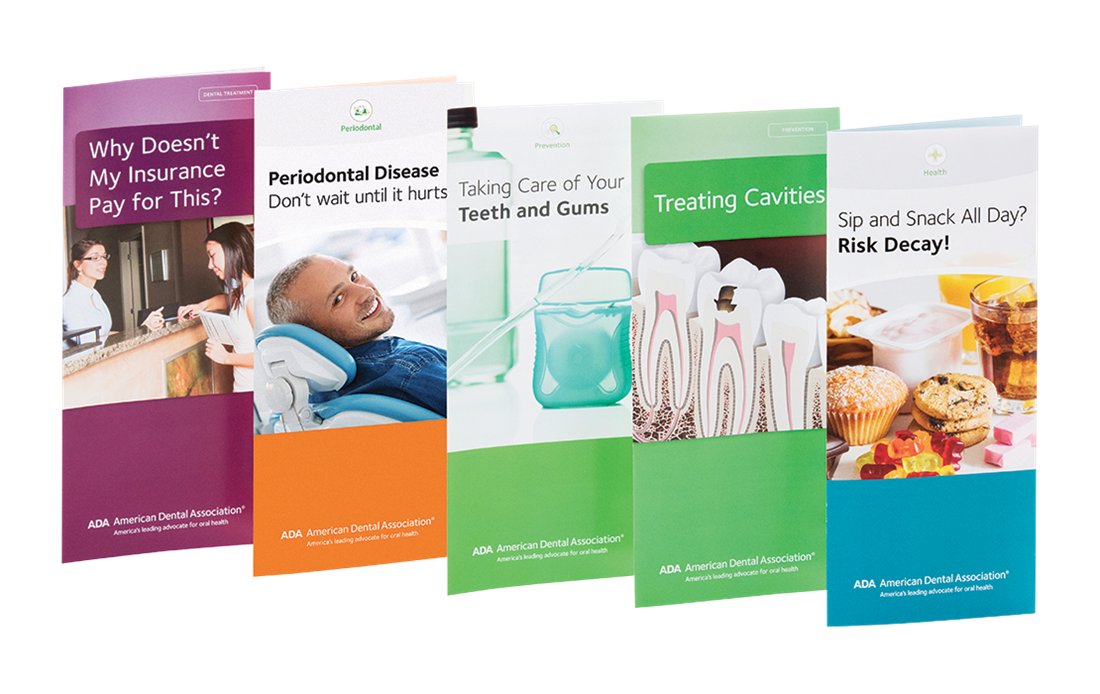
Patient Information Brochures
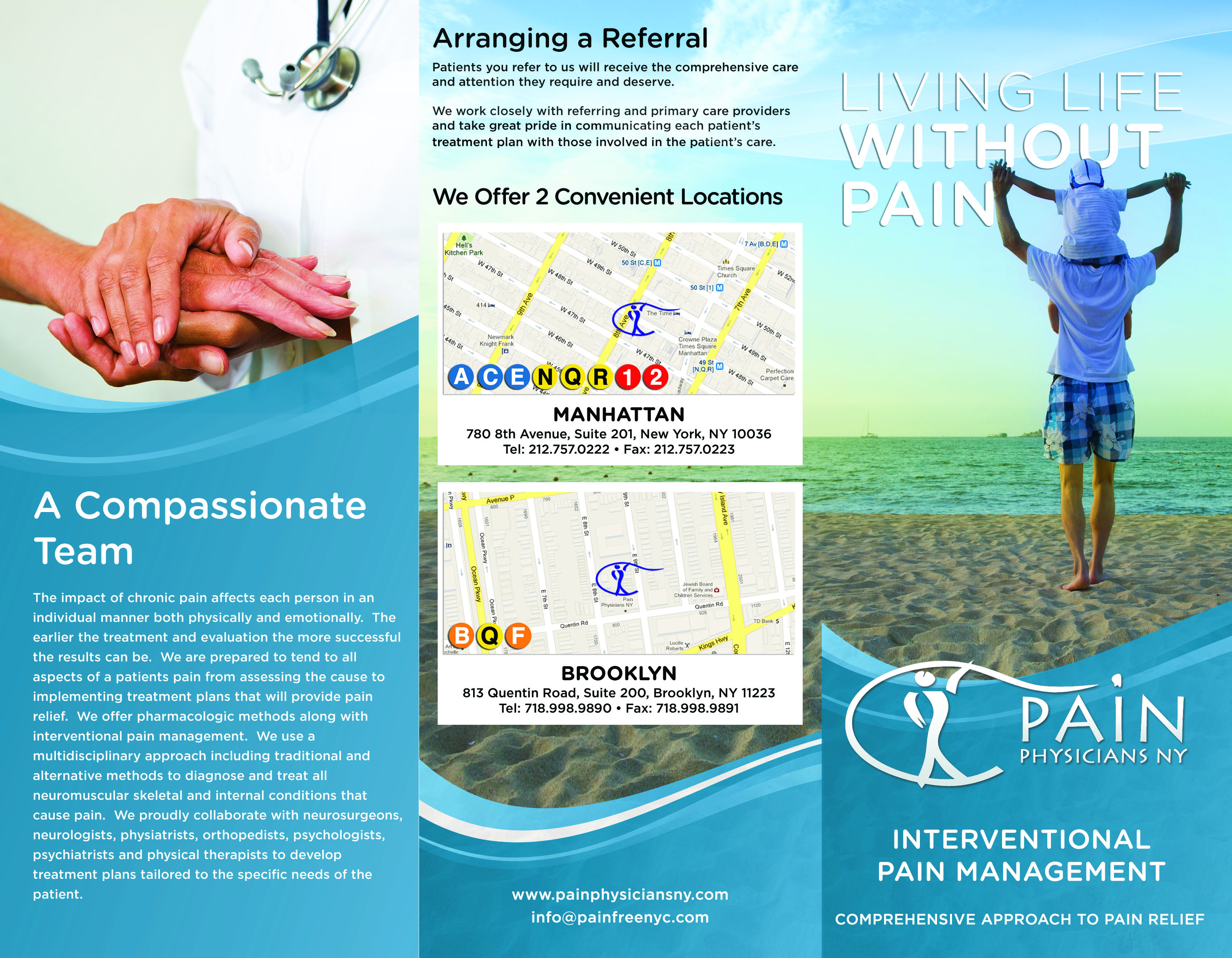
What Makes a Good Medical Brochure? Graphics for Doctors
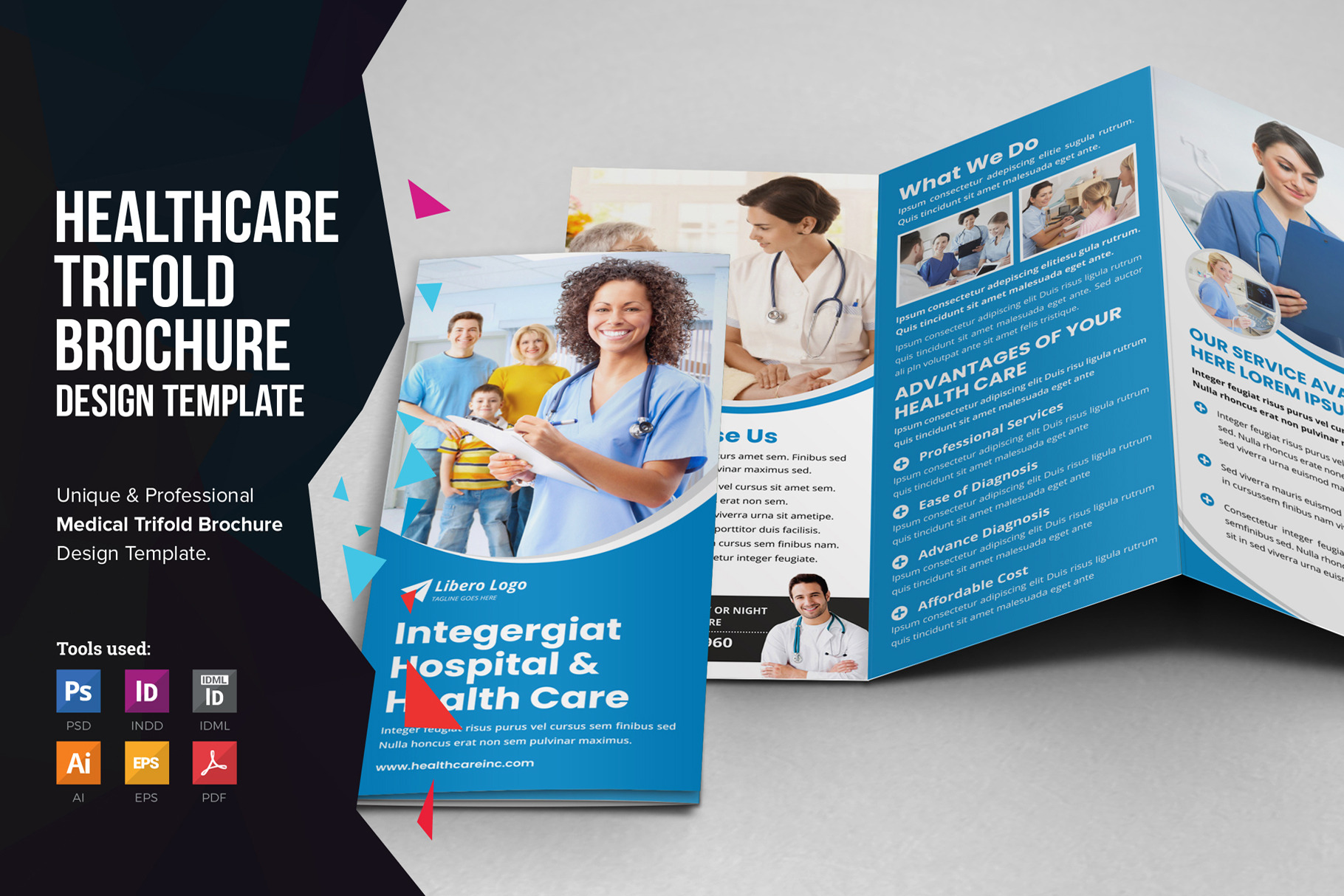
Medical Healthcare Trifold Brochure Creative Brochure Templates
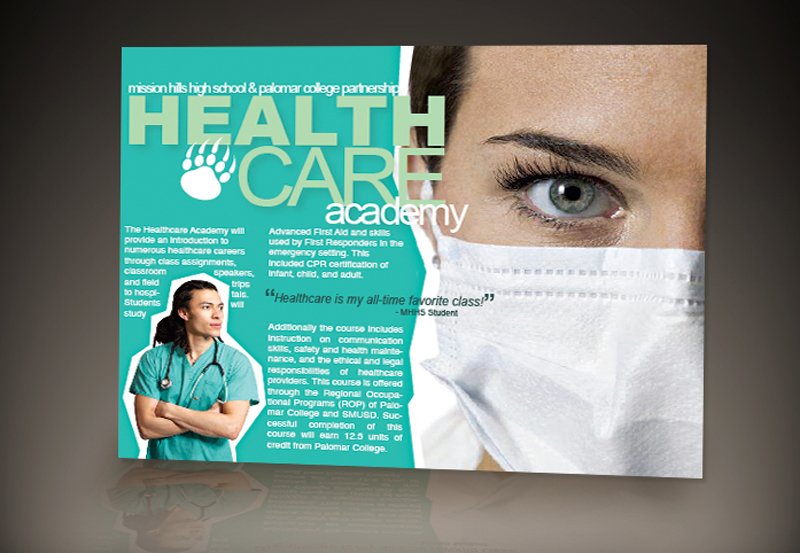
20 Well Designed Examples of Medical Brochure Designs WebDesignerDrops

Patient Brochure BioPRF

Patient Information Brochures
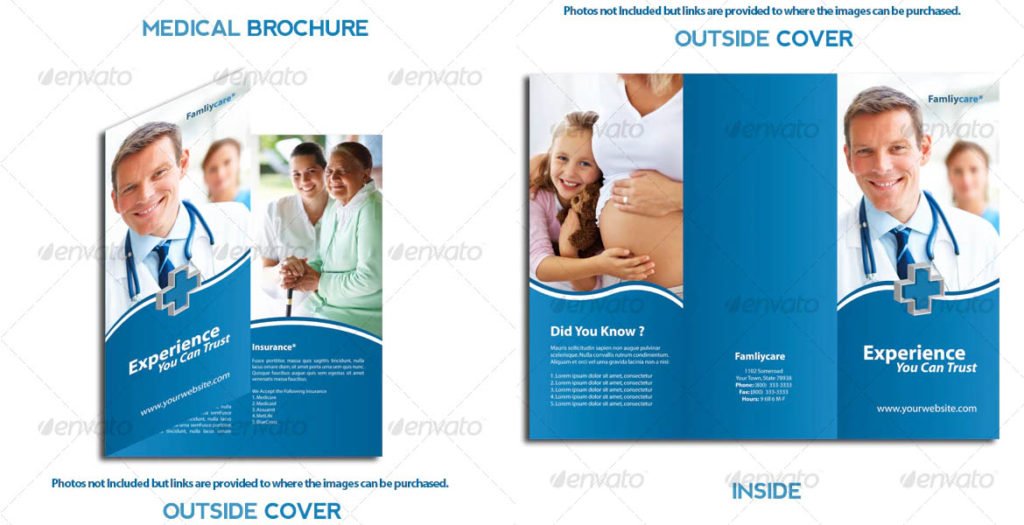
12 Best And Most Popular Medical Brochures and Flyers Templates 2021
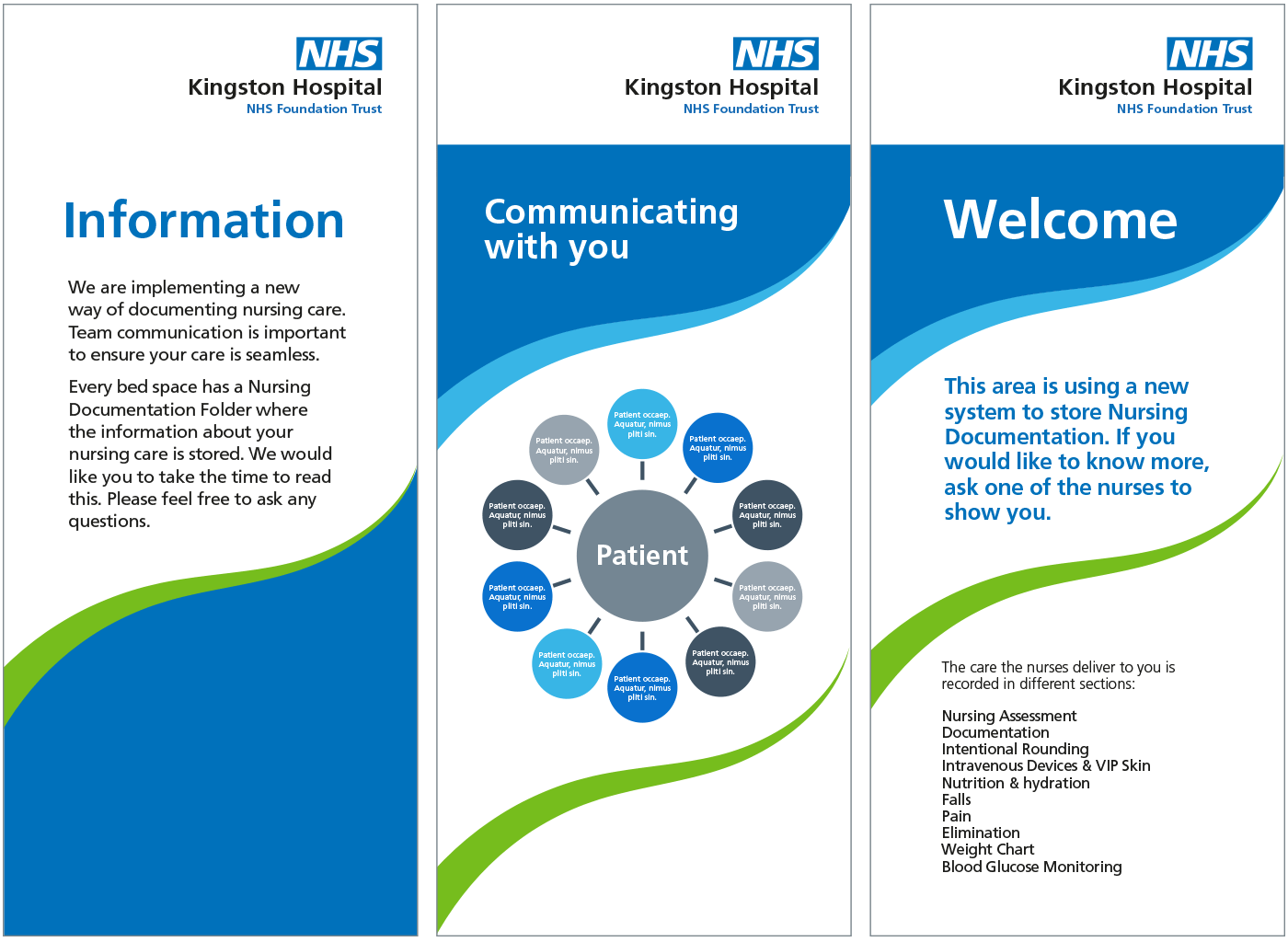
NHS Identity Guidelines NHS patient information leaflets
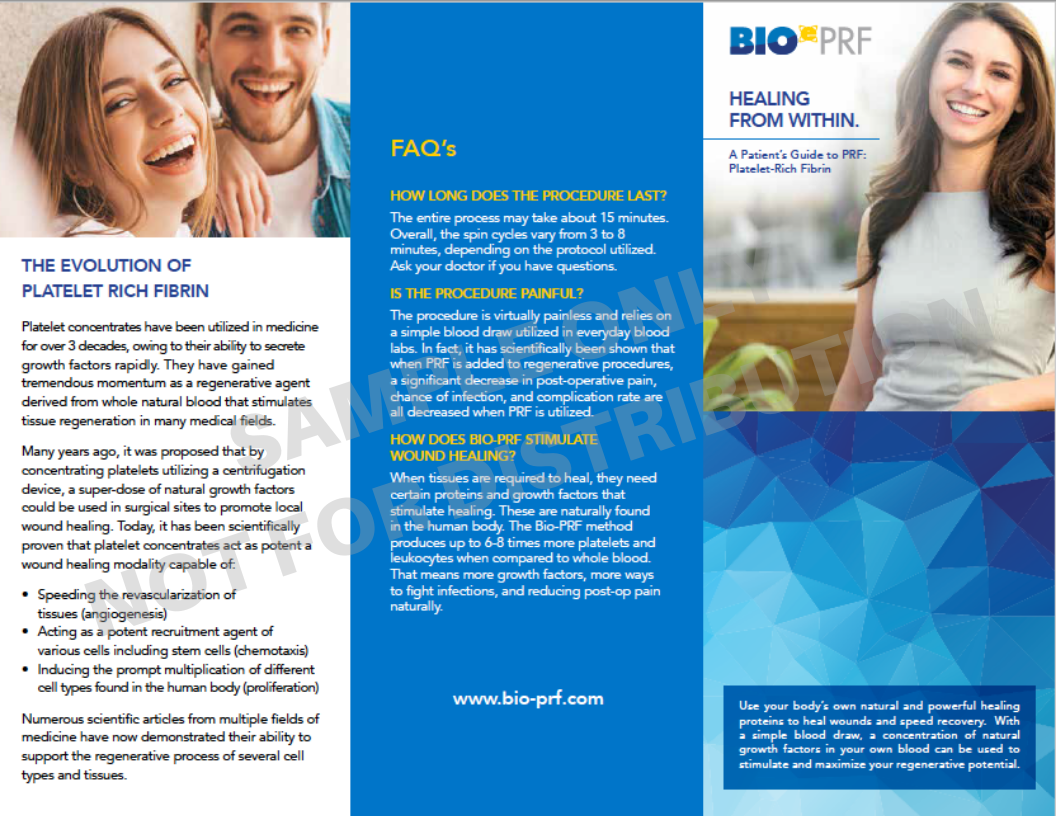
Patient Brochure BioPRF
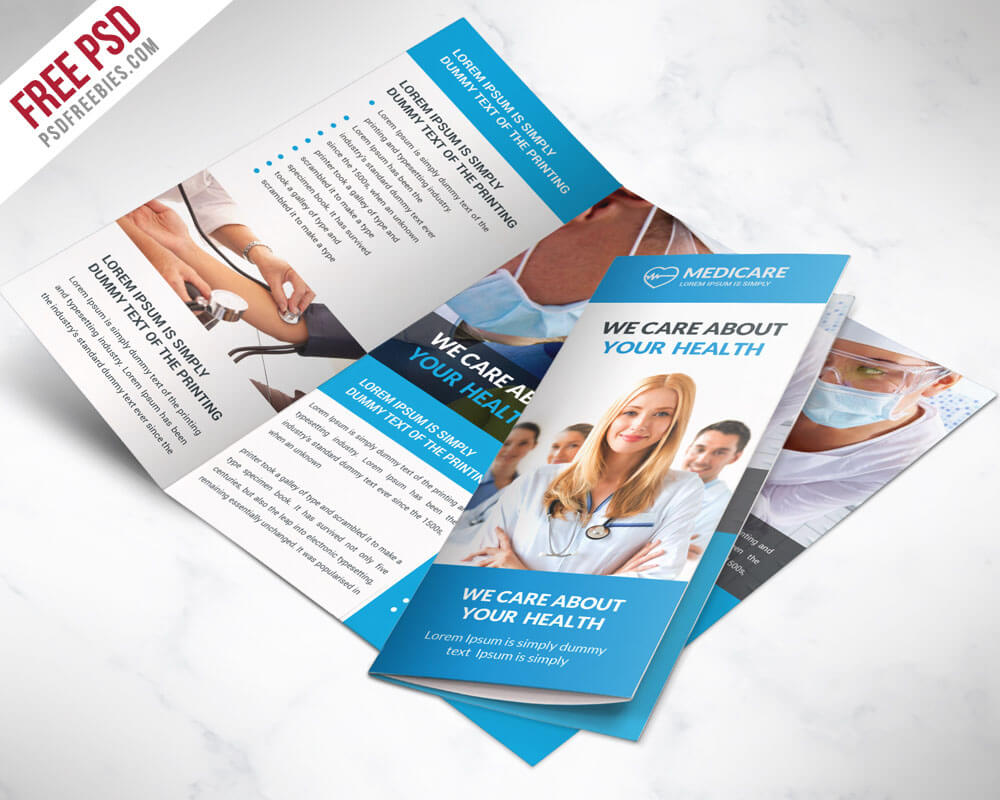
40 Free Professional Trifold Brochures for Business GraphicsFuel
Involve Your Patients, Set Clear Goals And Provide The Very Best Information.
But Research Shows That Even In Today’s Digital Age, Printed.
To Provide Information About The Purpose, Benefits, Possible Drawbacks And Procedures Of Screening Before The Person Decides Whether To Request, Accept Or Refuse Screening.
Since The 1970S, Various Authors Have Investigated The Use Of Patient Information Leaflets (Pils) 1, 2, 3, 4 And Have Suggested That They Are Helpful For Patients, Particularly As They Improve.
Related Post: